TAFE at School students help build habitats while building skills
A unique partnership between TAFE Queensland and Natura Pacific is helping create homes for native wildlife while equipping tradespeople-in-training with valuable real-world skills.
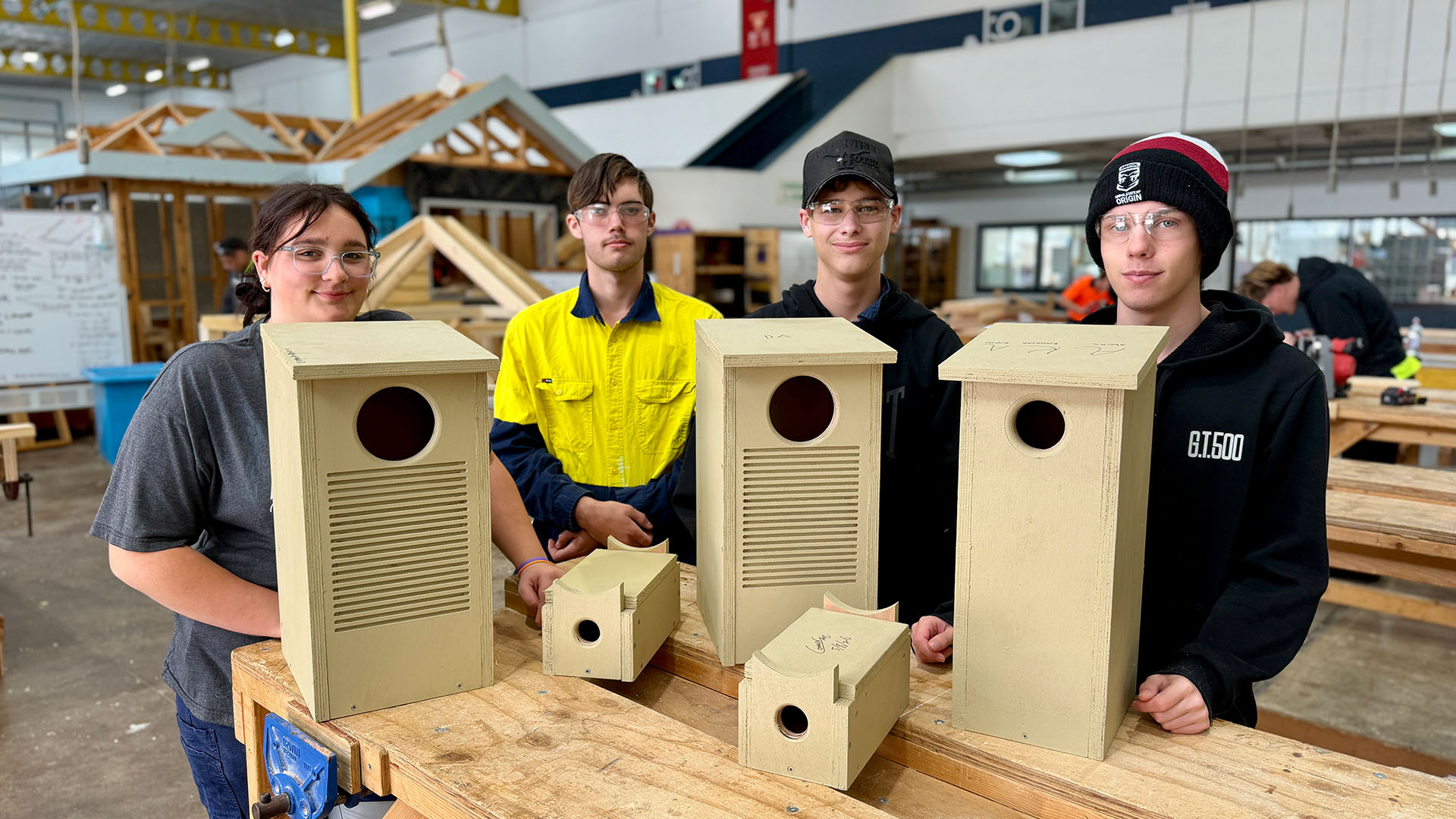
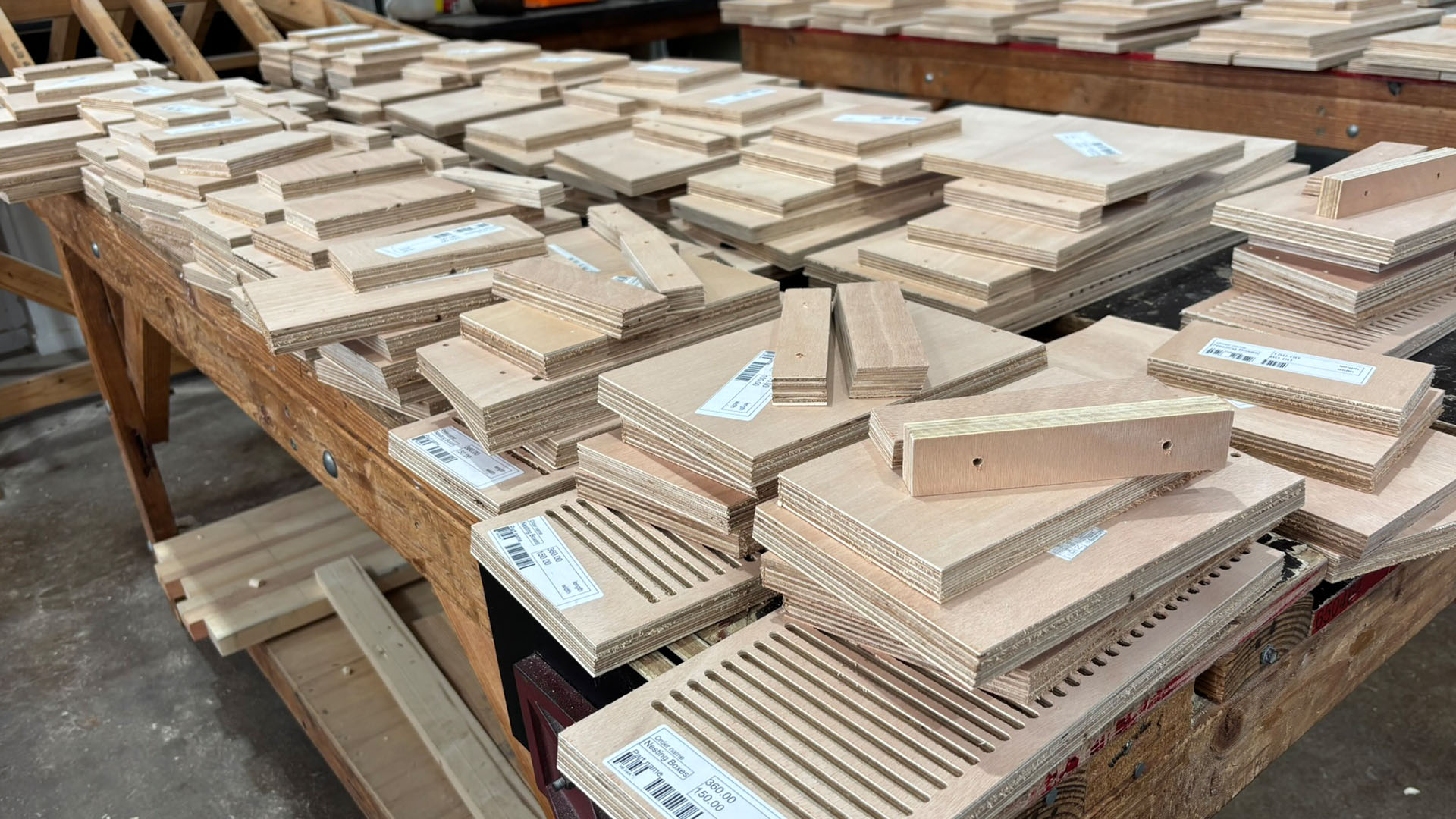
Each year, students studying the Certificate II in Construction Pathways (CPC20220) through the TAFE at School program at TAFE Queensland's Ipswich campus take part in the Natura Pacific Nest Box Project, constructing species-specific nest boxes that will eventually provide shelter for gliders, possums, parrots, owls and other hollow-dependent wildlife.
The collaboration combines practical vocational training with habitat restoration, demonstrating how education, industry and conservation can work together to deliver meaningful outcomes for communities and the environment.
Tree hollows are among Australia's most valuable wildlife resources. Many native species rely on them for shelter, nesting and raising young, yet suitable hollows can take decades, and in some cases more than a century, to form naturally.
When development occurs and hollow-bearing trees are removed, wildlife can suddenly find themselves competing for a limited number of suitable homes.
Nest boxes help bridge this gap by providing immediate habitat while ecosystems continue to regenerate. However, successful habitat restoration involves far more than simply installing a box in a tree.
Natura Pacific Senior Environmental Consultant and Lead Climber Connor Sheidler said effective habitat restoration required a detailed understanding of both wildlife behaviour and the surrounding environment.
"Effective wildlife habitat starts with understanding the needs of each species and the landscape they're living in. Before a nest box is installed, our ecologists assess local vegetation, habitat connectivity, species movement patterns and habitat requirements to determine exactly what type of nest box is needed and where it should be located,” said Mr Sheidler.
“Different species have different preferences when it comes to entrance sizes, internal dimensions, installation height and orientation. As it turns out, wildlife can be surprisingly selective when it comes to real estate.”
“Through our partnership with TAFE Queensland, students are helping construct nest boxes that go on to become part of genuine conservation projects. It's a fantastic example of how industry, education and conservation can work together to create lasting benefits for both people and nature.”
For students, the project provides the opportunity to develop practical carpentry skills while contributing to a meaningful environmental outcome.
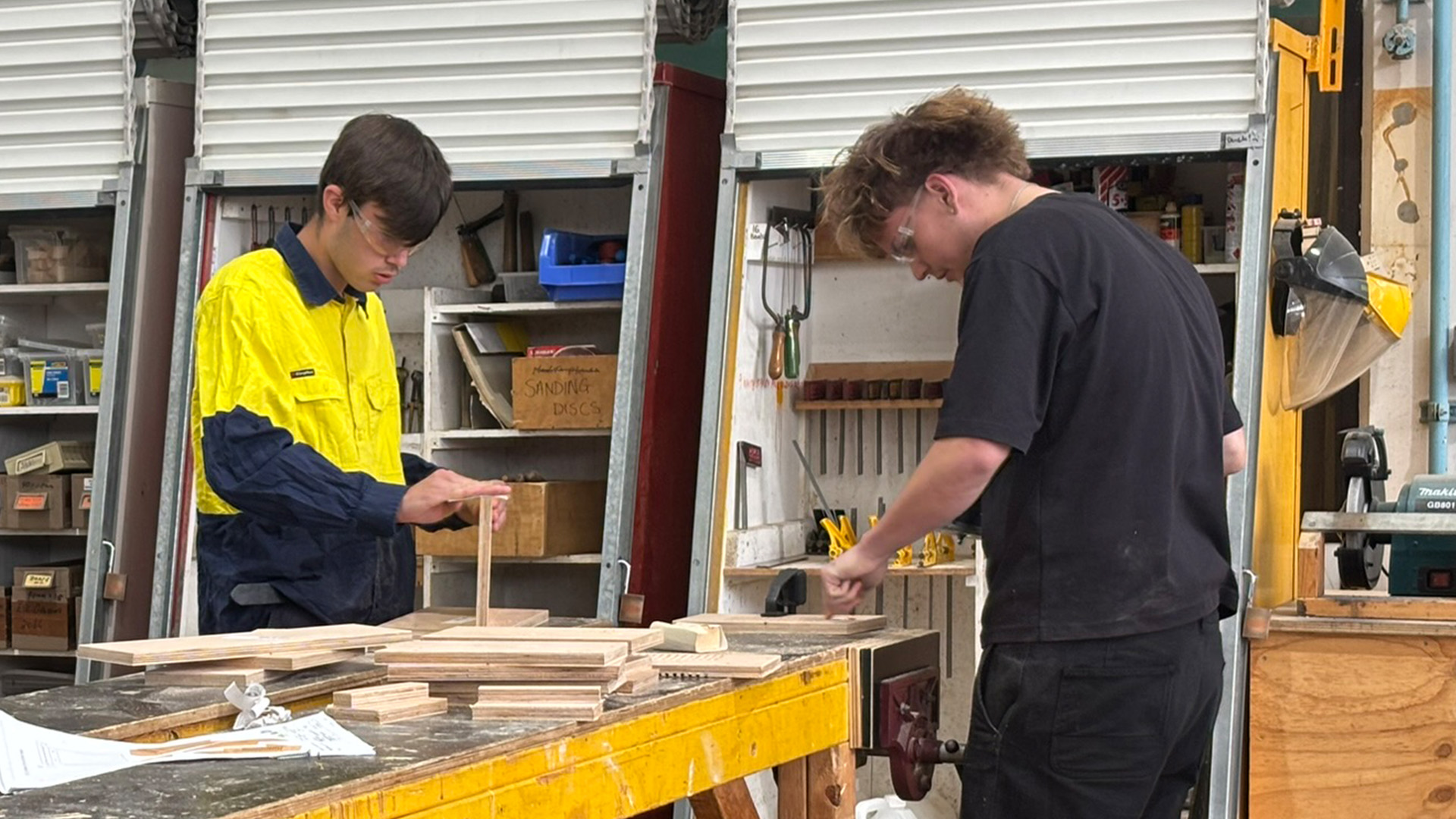
Through practical learning and industry collaboration, students are constructing nest boxes that will help protect and support local wildlife populations.
According to TAFE Queensland Educational Team Leader, Construction and Utilities (South West Region), Darren Garland, the project has helped students connect classroom learning with real-world conservation challenges.
"I think most students had a general understanding that clearing trees affects wildlife, but they weren't necessarily aware of the long-term impacts," said Mr Garland.
"Through this project, they've learned that many native species rely on tree hollows for shelter, nesting and protection, and that these hollows can take decades, sometimes more than a century, to form naturally."
"It really helped connect environmental issues to something tangible they could see and contribute to."
Mr Sheidler said one of the highlights of the project was being able to show students the long-term impact of their work.
"One of the best parts of this project is being able to return to monitor the nest boxes and see them being used by wildlife," he said.
"Because each box can be traced back to the student who built it, we can share photos of the animals that move in and show students the direct impact of their work."
"It's a tangible outcome that gives students a real sense of pride. They're not just developing practical skills, they're making a genuine difference for native wildlife and contributing to long-term conservation outcomes."
Mr Garland said the project also demonstrates the value of authentic learning experiences.
"Projects like this bring learning to life," he said.
"Students are applying practical carpentry skills in a real-world setting, working from plans, measuring accurately, selecting materials and building a finished product with a genuine purpose."
"It also gives them a sense of pride because they know their work will contribute to something beyond the classroom. That's a powerful motivator and a great way to build both technical skills and confidence."
While classroom learning provides important theoretical knowledge, projects like the Natura Pacific Nest Box Project allow students to experience how those skills are applied in practice.
Mr Garland said students develop technical construction capabilities while also strengthening essential employability skills such as communication, teamwork, problem-solving and attention to detail.
"Through working on a real project with genuine environmental outcomes, they've learned to problem-solve, collaborate, think critically about design requirements and understand the importance of quality workmanship," he explained.
For students, the project provides the opportunity to develop practical carpentry skills while contributing to a meaningful environmental outcome.
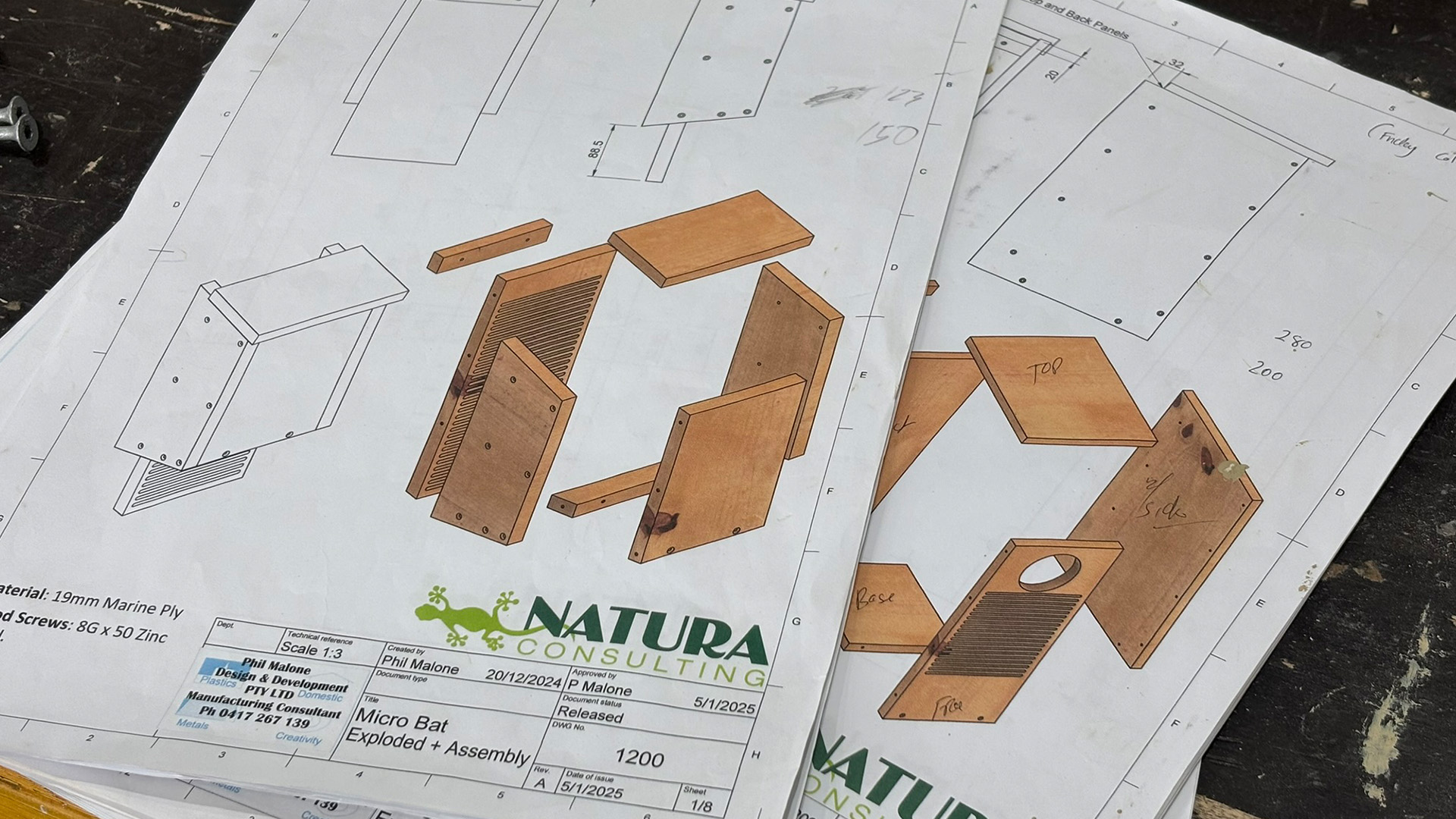
From concept to creation, students used detailed plans to guide the construction of nest boxes.
For TAFE Queensland Executive Director, Education and Training (South West Region), Anne Scott, the project showcases the power of vocational education to create positive outcomes beyond the classroom.
"At TAFE Queensland, we're proud to partner with organisations like Natura Pacific that provide students with authentic learning experiences while delivering tangible benefits for the environment and local communities," Ms Scott said.
"Projects like this demonstrate how vocational education can help people build practical, industry-relevant skills while also creating opportunities for students to make a meaningful contribution."
"By working on real projects with genuine outcomes, students gain confidence, experience and a deeper understanding of how their skills can make a positive impact throughout their careers."