

Inherent requirements - trades
Before deciding if a course is right for you, it's important to make an informed choice and consider the key skills, knowledge, and assessment requirements involved.







Review the below inherent requirements for the course and reflect on whether any of these might present difficulties for you, and if they align with your abilities and goals. If you feel you may have challenges due to a disability, a health condition, or for any other reason, we encourage you to speak with a regional Education Manager, a student services team member, or the regional AccessAbility Officer to discuss your concerns and confirm if the course is suitable for you.
Reasonable adjustments may be available to support students who feel they need assistance with learning and assessments in their studies. Students are advised that TAFE Queensland, however, cannot mandate that industry provides reasonable adjustments in the workplace to accommodate personal preferences or support needs. Adherence to industry standards and national guidelines is essential and must be demonstrated consistently during practical assessment. Students are also advised that any reasonable adjustment cannot alter the integrity or objective of an assessment.

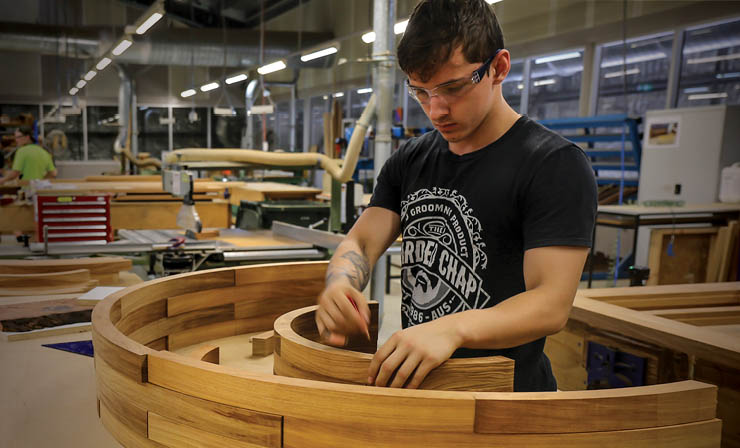

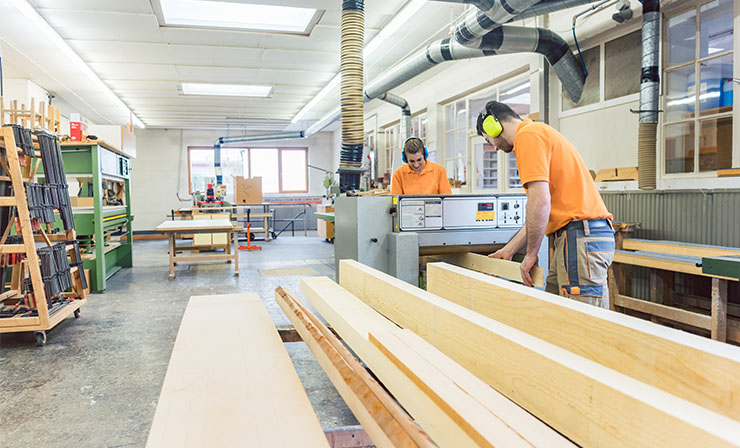
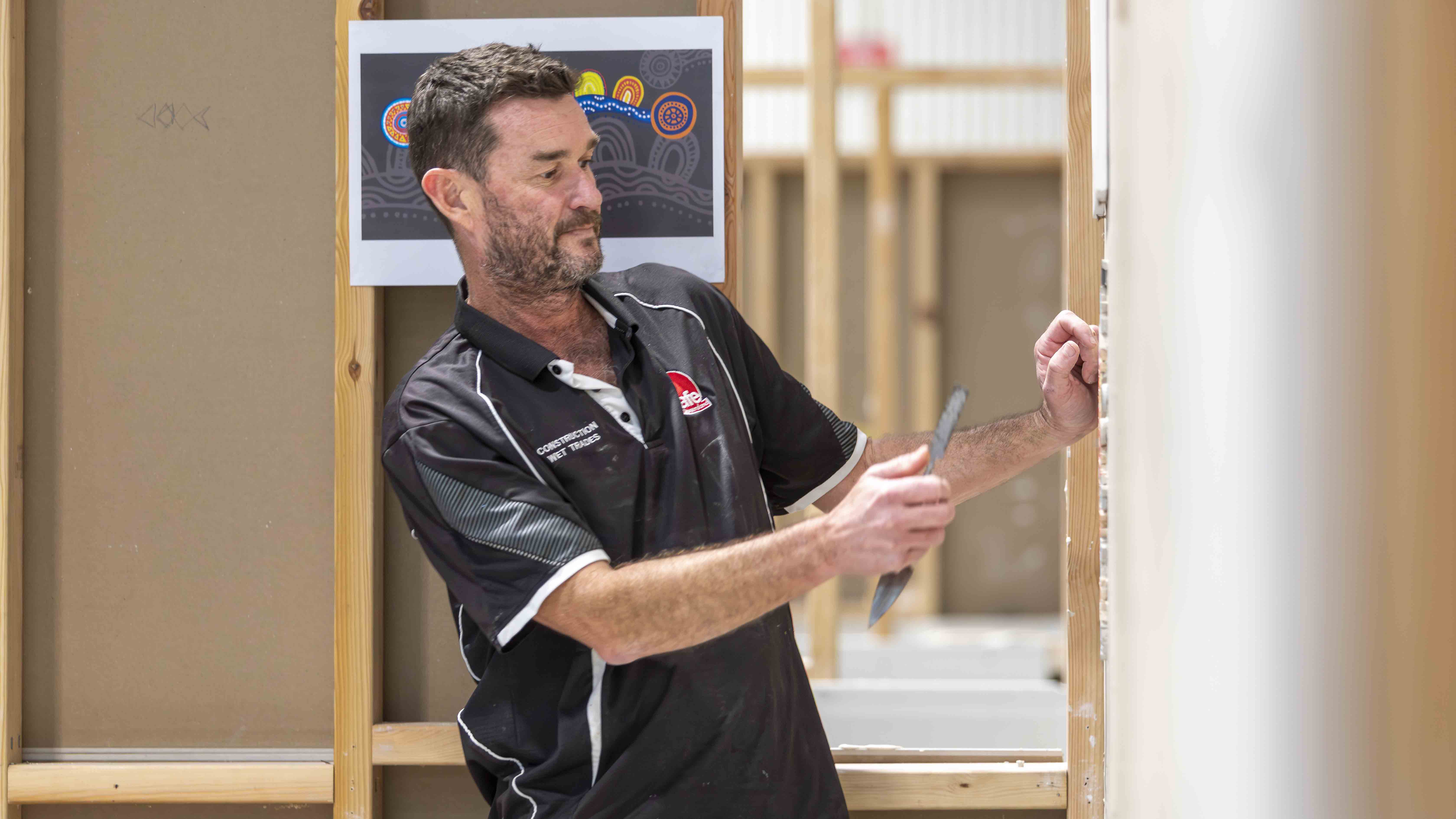

All trade inherent requirements
*Please ensure you read ALL inherent requirements, including any course-specific inherent requirements.
The tasks and responsibilities in your role in industry will vary. Completion of your qualification requires that you are able to achieve your course assessments in accordance with industry standards and role expectations, and this will include practical tasks within the industry workplace and/or simulation environments. There are essential components that you will need to be able to demonstrate to meet these assessment and industry requirements, as well as to continue to work safely and effectively in industry as an employee. These components reflect the abilities and attributes of the profession and are outlined below.
Physical requirements
You will need sufficient physical capacity, mobility, coordination, dexterity and stamina to participate safely in the learning and assessment activities required for your course. Depending on the course and activity, you may need to:
- attend classes, workshops, site visits, and simulated workplace or construction environments
- move safely through a range of work environments, including uneven surfaces, restricted areas, framed structures, stairs, ladders and work platforms, while standing, walking, bending, reaching, climbing and working in different positions
- wear and use required personal protective equipment and maintain appropriate ergonomic and workplace safety practices throughout scheduled activities
- lift, carry, move, position and handle tools, equipment, materials, components and documents within safe manual-handling limits
- use tools, equipment, machinery and digital devices safely and accurately, applying the hand strength, grip, fine motor control, precision and hand-eye coordination required for the task
- maintain participation and stamina for the duration of scheduled activities
Physical requirements vary by course and task. Reasonable adjustments may support participation, but they cannot remove essential safety requirements or alter the integrity of an assessment.
Working safely
You will need to follow workplace health and safety requirements and demonstrate safe behaviour throughout learning and assessment activities. Depending on the course and activity, you may need to:
- follow safety instructions, workplace procedures, site rules, signage, emergency procedures and directions from teachers or supervisors, including safe operating, guarding, isolation, lock-out and manual-handling procedures
- identify, assess and report hazards, risks, incidents, defects and unsafe conditions while working within your role and authority
- wear and use required personal protective equipment correctly
- work safely around people, tools, equipment, machinery, vehicles, materials, chemicals, dust, noise, heights and changing site conditions while maintaining a clean and organised work area
- stop work and seek guidance if instructions are unclear or a task becomes unsafe
You must comply with all essential safety requirements and take reasonable care for your own safety and the safety of others. Reasonable adjustments cannot remove or reduce these requirements.
Communication and understanding
You will need sufficient English language, literacy, numeracy and digital skills to understand information, communicate clearly and complete learning and assessment tasks safely, accurately and within required timeframes. Depending on the course and activity, you may need to:
- read, interpret and follow written, verbal, visual and digital information, including instructions, plans, drawings, diagrams, measurements, specifications, schedules, codes, standards, product information and workplace procedures, and seek clarification when information is unclear
- communicate clearly and respectfully with teachers, students, customers, clients, supervisors, contractors, suppliers and other stakeholders
- listen and respond appropriately to directions and feedback
- accurately report hazards, problems, defects, changes, progress and decisions, and prepare and maintain required workplace records such as emails, reports, schedules, job details, measurements and compliance documentation
- use industry terminology appropriately in learning and workplace contexts
- complete required measurements and job-related calculations accurately
- protect confidential, customer, access and security-related information where relevant
You must be able to communicate and record information accurately to support safe work and meet assessment and workplace requirements.
Working with others
You will need to work with other people in a respectful, safe and professional way. Depending on the course and activity, you may need to:
- work effectively and respectfully with teachers, supervisors, classmates, customers, clients, contractors and other workplace personnel, including giving, receiving and responding appropriately to feedback
- follow reasonable directions and work collaboratively within workplace roles, responsibilities and reporting lines during discussions, meetings, planning and practical activities
- coordinate information and practical tasks with others to support safe and effective outcomes
- manage conflict, changing priorities, timeframes and differing views calmly and professionally
- demonstrate reliability, punctuality, honesty, discretion and professional conduct
- protect customer privacy, workplace confidentiality and security-related information where relevant
- behave in a way that supports a safe, respectful and productive learning or work environment
You must contribute appropriately to team and workplace-style activities and avoid conduct that could place yourself or others at risk.
Sensory requirements
You will need sufficient sensory ability to receive and interpret information, participate safely and complete learning and assessment tasks accurately. Depending on the course and activity, you may need to:
- see and interpret information such as plans, drawings, diagrams, symbols, measurements, labels, markings, screens and safety signs, and identify hazards, defects, equipment movement and other visual details relevant to the task
- hear or otherwise receive instructions, discussions, alarms, warnings, equipment sounds and workplace communication
- use touch and tactile feedback to position, align, adjust, assemble, test and assess materials, components and equipment, including detecting changes that may indicate a fault or safety issue
- check the quality, accuracy, operation and presentation of completed work
- receive and respond to information in classroom, online, workshop, site and workplace environments
Approved aids, assistive technology or reasonable adjustments may support access to information where appropriate. However, you must still be able to complete required activities safely, interpret essential information accurately and meet assessment and workplace requirements.
Knowledge and problem solving
You will need to learn, retain and apply the knowledge required for your course and exercise practical judgement to complete tasks safely and accurately. Depending on the course and activity, you may need to:
- understand, interpret and apply safety procedures, trade processes, technical information, plans, drawings, specifications, codes, standards and workplace requirements
- use numeracy skills to calculate measurements, quantities, angles, materials, costs, labour and timeframes
- plan, prioritise and organise work activities, selecting appropriate tools, equipment, materials and work methods to meet required deadlines
- identify, investigate and respond to errors, hazards, defects, faults, risks, delays and compliance issues, using evidence and workplace requirements to solve routine problems and adapt to changing circumstances
- check completed work against drawings, specifications, tolerances, quality standards and customer or project requirements
- use digital systems and workplace technology to calculate, organise, record, update, retrieve and submit information
You must seek guidance when a task is outside your skill level or authority and demonstrate the judgement, accuracy and problem-solving skills required by the assessment.
Environmental requirements
You may need to participate in classrooms, online learning environments, workshops, simulated workplaces, construction-related sites and other indoor or outdoor work settings. Depending on the course and activity, you may be exposed to:
- tools, machinery, equipment, vehicles, materials and workplace hazards, including sharp components, noise, dust, fumes, changing weather conditions, uneven surfaces, heights, scaffolding and restricted-access areas
- moving people, equipment and materials within active workplace environments
- workplace procedures and expectations, including inductions, access controls, personal protective equipment, attendance requirements, deadlines, quality standards and customer expectations
- environments where privacy, confidentiality or security are important
You will need to follow site rules and workplace directions, manage your own health and safety, identify and respond appropriately to hazards, and participate safely in the environments required for learning, assessment and workplace activities.
The following course-specific inherent requirements should be read alongside the trade inherent requirements. They describe additional skills and abilities that are particularly important for successful participation in this course. They are not additional entry requirements. They are intended to help you understand the types of tasks you may need to complete during training and assessment. Consider whether any of these requirements may present difficulties for you. If you feel you may have challenges due to a disability, health condition, injury, learning need or for any other reason, we encourage you to speak with TAFE Queensland before you enrol.
Qualification-specific requirements
For this qualification, you may need to:
- use a range of hand and power tools safely
- measure, mark and carry out basic construction tasks
- handle and work with construction materials and products
- follow plans, instructions and workplace documentation
- maintain a safe and organised work area
- apply industry-standard work practices and housekeeping requirements
- participate in practical projects that reflect construction industry activities
- work safely as part of a team in construction-related environments
These requirements are intended to help you understand the practical nature of the qualification and make an informed decision about your study options.
For this qualification, you may need to:
- lay bricks, blocks and masonry units to specification
- mix, handle, spread and finish mortar
- set out work, check levels, maintain alignment and finish surfaces
- use bricklaying and blocklaying tools and equipment safely
- cut or shape masonry materials using safe methods and required personal protective equipment (PPE)
- work with scaffolds, platforms or raised work areas where required
- complete repetitive manual tasks involving lifting, carrying, bending, standing and reaching
- work outdoors and manage changing weather conditions
- follow workplace health and safety requirements at all times
These requirements help you understand the types of skills and abilities you may need to complete the course and work safely in bricklaying and blocklaying environments.
The following course-specific inherent requirements should be read alongside the trade inherent requirements. They describe additional skills and abilities that are particularly important for successful participation in this course. They are not additional entry requirements. They are intended to help you understand the types of tasks you may need to complete during training and assessment. Consider whether any of these requirements may present difficulties for you. If you feel you may have challenges due to a disability, health condition, injury, learning need or for any other reason, we encourage you to speak with TAFE Queensland before you enrol.
CPC31420 Certificate III in Construction Waterproofing includes practical learning and assessment activities involving surface preparation, application of waterproofing systems, use of specialised products and equipment, and completion of work to industry standards. You will develop skills in preparing surfaces, applying waterproofing materials, following product specifications and maintaining safe work practices in construction environments.
Qualification-specific requirements
For this qualification, you may need to:
- prepare surfaces for waterproofing by cleaning, checking, repairing, priming and confirming suitability
- apply membranes, coatings, sealants, bond breakers and waterproofing systems to the required standard
- work safely in wet areas, confined or restricted spaces, and around penetrations, falls, joints, corners and fixtures
- read and follow product specifications, manufacturer instructions, safety data sheets and installation requirements
- manage chemical handling, PPE use, ventilation, drying times, curing times and product storage requirements
- inspect completed waterproofing work for coverage, continuity, adhesion, defects and compliance with task requirements
- complete records accurately, including product use, inspection checks, workplace documentation and assessment evidence.
These requirements help you understand the types of skills and abilities you may need to complete the course and work safely in construction waterproofing environments.
Industry alignment and assessment requirements
Tasks and responsibilities within the construction waterproofing industry vary depending on the employer, workplace, project and site conditions.
To successfully complete this qualification, you will need to demonstrate practical skills and knowledge in accordance with industry standards and workplace expectations. Assessment may take place in simulated workplace, workshop, training or workplace settings.
You will be required to work safely, follow instructions, use tools and equipment correctly, and complete tasks to the required industry standard. This may include preparing surfaces, applying waterproofing systems, following product specifications, inspecting completed work and maintaining workplace documentation.
The following course-specific inherent requirements should be read alongside the trade inherent requirements. They describe additional skills and abilities that are particularly important for successful participation in this course. They are not additional entry requirements. They are intended to help you understand the types of tasks you may need to complete during training and assessment. Consider whether any of these requirements may present difficulties for you. If you feel you may have challenges due to a disability, health condition, injury, learning need or for any other reason, we encourage you to speak with TAFE Queensland before you enrol.
Certificate III in Roof Tiling (CPC30820) prepares you for practical work installing, repairing and replacing roof tiles and related materials.
Qualification-specific requirements
For this qualification, you must be able to safely complete practical roof tiling tasks that involve installing, repairing and replacing roof tiles and related materials.
You will need to demonstrate that you can:
- access and move around roof work areas safely
- maintain balance and coordination while working at height
- handle, position and fix roof tiles and materials
- use tools and equipment required for roof tiling work
- follow fall prevention, PPE and site safety requirements
- identify hazards linked to roof edges, ladders, scaffolds, weather, fragile surfaces and manual handling
- complete practical assessment tasks to the required workplace and industry standard
The following course-specific inherent requirements should be read alongside the trade inherent requirements. They describe additional skills and abilities that are particularly important for successful participation in this course. They are not additional entry requirements. They are intended to help you understand the types of tasks you may need to complete during training and assessment. Consider whether any of these requirements may present difficulties for you. If you feel you may have challenges due to a disability, health condition, injury, learning need or for any other reason, we encourage you to speak with TAFE Queensland before you enrol.
Certificate III in Stonemasonry (CPC32320) requires practical skills, safe work practices, and the ability to work with stone, tools, equipment, measurements, and workplace instructions.
Qualification-specific requirements
For this qualification, you may need to:
- cutting, shaping, finishing, and installing stone products
- handling natural or manufactured stone materials that may be heavy, brittle, sharp, or awkward
- using masonry tools, grinders, saws, polishers, and related equipment
- applying dust control measures, including water suppression and safe clean-up practices
- wearing required PPE, including hearing, eye, hand, foot, and respiratory protection where required
- measuring, marking out, checking alignment, and producing work to required tolerances
- working safely around heavy materials, supported loads, tools, equipment, and other people
- checking finished work for quality, fit, level, alignment, edges, joints, and surface finish
These requirements help you understand the types of skills and abilities you may need to complete the course and work safely in training and help confirm you can meet the practical assessment outcomes expected for entry-level stonemasonry work.
The following course-specific inherent requirements should be read alongside the trade inherent requirements. They describe additional skills and abilities that are particularly important for successful participation in this course. They are not additional entry requirements. They are intended to help you understand the types of tasks you may need to complete during training and assessment. Consider whether any of these requirements may present difficulties for you. If you feel you may have challenges due to a disability, health condition, injury, learning need or for any other reason, we encourage you to speak with TAFE Queensland before you enrol.
Certificate IV in Building and Construction (CPC40120) includes learning and assessment activities involving interpretation of construction documentation, estimating, planning, project coordination, digital systems and workplace communication. You will develop skills in reviewing plans and specifications, preparing project documentation, coordinating construction activities and working with stakeholders involved in building projects.
Qualification-specific requirements
For this qualification, you may need to:
- read and interpret residential and low-rise construction plans, specifications, schedules and related documents
- estimate quantities, costs, resources and project timeframes
- plan and coordinate building and construction work
- prepare project documentation, reports, records and written communication
- use digital tools and systems for documents, communication, calculations and project information
- apply numeracy skills for measurements, quantities, costing, scheduling and reporting
- communicate with clients, contractors, suppliers, supervisors and other project stakeholders
- identify and respond to compliance, quality, safety and documentation requirements
- attend construction sites, training workshops or simulated work environments where required for learning and assessment
These requirements support your ability to complete the course and demonstrate the skills expected in building and construction supervision, site coordination and project administration roles.
The following course-specific inherent requirements should be read alongside the trade inherent requirements. They describe additional skills and abilities that are particularly important for successful participation in this course. They are not additional entry requirements. They are intended to help you understand the types of tasks you may need to complete during training and assessment. Consider whether any of these requirements may present difficulties for you. If you feel you may have challenges due to a disability, health condition, injury, learning need or for any other reason, we encourage you to speak with TAFE Queensland before you enrol.
Diploma of Building and Construction (Building) (CPC50220) includes learning and assessment activities involving project planning, construction documentation, compliance requirements, stakeholder communication and building project management. You will develop skills in interpreting building documentation, coordinating project activities, preparing reports and records, and applying building and construction knowledge in a range of project environments.
Qualification-specific requirements
For this qualification, you may need to:
- read and interpret building plans, specifications, contracts, codes and project documents
- prepare and review project documentation, including estimates, schedules, risk documents, reports and records
- apply building project planning and compliance knowledge in residential, commercial or industrial building contexts
- communicate project information with clients, tradespeople, supervisors, suppliers and other stakeholders
- use digital systems to complete written assessments, manage documents and submit evidence
- attend site visits, inspections or simulated construction activities where required
- demonstrate construction workplace awareness, including safe movement, hazard identification and professional conduct
These requirements support your ability to complete the course and demonstrate the skills expected in building project coordination, compliance and construction management roles.
The following course-specific inherent requirements should be read alongside the trade inherent requirements. They describe additional skills and abilities that are particularly important for successful participation in this course. They are not additional entry requirements. They are intended to help you understand the types of tasks you may need to complete during training and assessment. Consider whether any of these requirements may present difficulties for you. If you feel you may have challenges due to a disability, health condition, injury, learning need or for any other reason, we encourage you to speak with TAFE Queensland before you enrol.
Diploma of Building and Construction (Management) (CPC50320) includes learning and assessment activities involving project planning, construction documentation, compliance requirements, digital systems and workplace communication. You will develop skills in coordinating construction activities, managing project information, applying compliance requirements and supporting construction management functions.
Qualification-specific requirements
For this qualification, you may need to:
- read and interpret residential and commercial construction documents
- review plans, specifications, contracts, codes, schedules and project records
- prepare and check estimates, budgets, reports, schedules and project documentation
- use digital systems for communication, recordkeeping, scheduling, reporting and assessment submission
- identify project risks, compliance issues, quality concerns and workplace safety requirements
- communicate effectively with stakeholders in writing and verbally
- organise information, prioritise tasks and meet assessment deadlines
- participate in construction site visits, inspections or simulated workplace activities
- apply professional judgement in project coordination and construction management scenarios
These requirements support your ability to complete the course and demonstrate the skills expected in building and construction management, coordination and project administration roles.
The following course-specific inherent requirements should be read alongside the trade inherent requirements. They describe additional skills and abilities that are particularly important for successful participation in this course. They are not additional entry requirements. They are intended to help you understand the types of tasks you may need to complete during training and assessment. Consider whether any of these requirements may present difficulties for you. If you feel you may have challenges due to a disability, health condition, injury, learning need or for any other reason, we encourage you to speak with TAFE Queensland before you enrol.
Advanced Diploma of Building and Construction (Management) (CPC60220) includes learning and assessment activities involving project planning, construction management, compliance, reporting, stakeholder communication and operational decision-making. You will develop skills in managing construction-related projects, interpreting construction information, coordinating resources and applying industry requirements in complex construction environments.
Qualification-specific requirements
For this qualification, you may need to:
- interpret complex building and construction documentation
- plan and manage construction-related projects, schedules, resources, risks and records
- apply compliance, quality, risk and reporting requirements to management activities
- use digital systems to create, manage and submit project information
- complete written reports, calculations, records and project documentation
- communicate with stakeholders in a clear, professional and timely manner
- make decisions that reflect workplace safety, legal obligations, project requirements and industry expectations
- demonstrate construction site awareness and understand management responsibilities in construction environments
These requirements support your ability to complete the course and demonstrate the skills expected in senior building and construction management roles.
The following course-specific inherent requirements should be read alongside the trade inherent requirements. They describe additional skills and abilities that are particularly important for successful participation in this course. They are not additional entry requirements. They are intended to help you understand the types of tasks you may need to complete during training and assessment. Consider whether any of these requirements may present difficulties for you. If you feel you may have challenges due to a disability, health condition, injury, learning need or for any other reason, we encourage you to speak with TAFE Queensland before you enrol.
Certificate III in Carpentry (CPC30220) includes practical carpentry tasks that reflect the skills used in residential, commercial and construction workplaces, including measuring, setting out, cutting, assembling, installing and repairing timber and non-timber materials.
Qualification-specific requirements
For this qualification, you may need to:
- complete work in contemporary classrooms, workshops and simulated workplace settings
- read and follow work instructions, plans, drawings, specifications and client requirements
- follow construction site safety requirements, including PPE, safe work practices and site instructions
- use numeracy skills to take and record measurements and perform routine construction calculations involving lengths, areas, volumes, angles and material quantities
- measure, mark and set out job plans, prepare cutting lists, and cut, assemble and install timber and other building materials
- construct and install wall frames, roof framing components, eaves, linings, mouldings and fixtures
- use a range of hand and power tools, specialised measuring, levelling and set-out equipment, and construction equipment
- handle, move and position timber, sheet products and building materials safely
- work around typical construction hazards, including heights, uneven surfaces, dust, noise, sharp materials and falling-object risks
- check measurements, levels, plumb, alignment and finishes against client and industry quality requirements
- produce work that meets required standards for accuracy, finish and industry practice
Industry alignment and assessment requirements
Tasks and responsibilities in the construction industry vary depending on the employer, workplace, project and site conditions.
To successfully complete this qualification, you will need to demonstrate knowledge and practical skills in accordance with industry standards and workplace expectations. This may include learning and assessment activities in simulated construction environments and, depending on your study mode, workplace settings.
You will be required to complete assessment tasks safely, follow instructions, use tools and equipment correctly, work accurately and within specified timeframes, and produce work that meets industry standards.
The following course-specific inherent requirements should be read alongside the trade inherent requirements. They describe additional skills and abilities that are particularly important for successful participation in this course. They are not additional entry requirements. They are intended to help you understand the types of tasks you may need to complete during training and assessment. Consider whether any of these requirements may present difficulties for you. If you feel you may have challenges due to a disability, health condition, injury, learning need or for any other reason, we encourage you to speak with TAFE Queensland before you enrol.
Certificate III in Cabinetmaking and Timber Technology (MSF30322) includes learning and assessment activities in classrooms, workshops and simulated workplace environments that reflect real-world cabinetmaking and timber technology work. You will develop skills in interpreting plans and specifications, measuring and setting out work, using CAD and CNC technologies, manufacturing and installing cabinetry and related products, and working with a range of materials, tools and equipment.
Qualification-specific requirements
For this qualification, you may need to:
- read and follow work instructions, plans, drawings, specifications and client requirements
- use numeracy skills to take and record measurements and perform routine trade calculations involving lengths, areas, volumes, angles and material quantities
- measure, mark, set out, manufacture, shape, assemble, fit, install and finish cabinetmaking and timber technology products to industry standards
- work with timber, manufactured board, laminates, glass, metals, solid surface products, specialised fittings, hardware and finishing materials
- use hand and power tools, specialised measuring equipment and set-out equipment
- use computer-aided design (CAD) software and computer numerically controlled (CNC) machinery
- operate workshop machinery using safe machining techniques to manufacture cabinetry and timber products
- use specialised installation techniques and equipment to install cabinetry, kitchens, bathrooms, wardrobes, laundries and related products
- check measurements, levels, plumb, alignment and finishes against client and industry quality requirements
- complete work in classroom, workshop and simulated workplace environments
- follow workplace health and safety requirements at all times
- complete assessment tasks to the required industry standard
These requirements help you understand the types of skills and abilities you may need to complete the course and work safely in cabinetmaking and timber technology environments.
Industry alignment and assessment requirements
Tasks and responsibilities within the cabinetmaking and timber technology industries vary depending on the employer, workplace, project and installation environment.
To successfully complete this qualification, you will need to demonstrate practical skills and knowledge in accordance with industry standards and workplace expectations. This includes completing assessment tasks safely, accurately, within specified timeframes and to the required quality standard.
You may be required to work with timber, manufactured board, glass, metals, solid surface products, hardware, fittings, adhesives, fasteners and finishing materials. You will also need to use hand and power tools, measuring equipment, CAD software, CNC machinery, workshop equipment and installation tools under appropriate supervision.
The following course-specific inherent requirements should be read alongside the trade inherent requirements. They describe additional skills and abilities that are particularly important for successful participation in this course. They are not additional entry requirements. They are intended to help you understand the types of tasks you may need to complete during training and assessment. Consider whether any of these requirements may present difficulties for you. If you feel you may have challenges due to a disability, health condition, injury, learning need or for any other reason, we encourage you to speak with TAFE Queensland before you enrol.
Certificate III in Furniture Finishing (MSF30122) includes practical learning and assessment activities involving the preparation, staining, coating and finishing of furniture surfaces. You will develop skills in using finishing products, equipment and workplace procedures to produce furniture finishes that meet industry standards.
Qualification-specific requirements
For this qualification, you may need to:
- sand and prepare timber or furniture surfaces
- apply stains, coatings and finishing products
- use abrasives, hand tools and finishing equipment safely
- work with products that may create fumes, dust, vapours or overspray
- read and follow product instructions and safety data sheets
- check surfaces for finish quality, consistency and defects
- repeat or correct tasks to achieve the required finish standard
- maintain safe, clean and organised workshop practices
These requirements help you understand the types of skills and abilities you may need to complete the course and work safely in furniture finishing environments.
The following course-specific inherent requirements should be read alongside the trade inherent requirements. They describe additional skills and abilities that are particularly important for successful participation in this course. They are not additional entry requirements. They are intended to help you understand the types of tasks you may need to complete during training and assessment. Consider whether any of these requirements may present difficulties for you. If you feel you may have challenges due to a disability, health condition, injury, learning need or for any other reason, we encourage you to speak with TAFE Queensland before you enrol.
Certificate III in Joinery (CPC31920) includes learning and assessment activities in classrooms, workshops and simulated workplace environments that reflect real-world joinery work. You will develop skills in interpreting plans and specifications, measuring and setting out work, using CAD and CNC technologies, manufacturing and installing joinery products, and working with a range of materials, tools and equipment.
Qualification-specific requirements
For this qualification, you may need to:
- read and follow work instructions, plans, drawings, specifications and client requirements
- use numeracy skills to take and record measurements and perform routine trade calculations involving lengths, areas, volumes, angles and material quantities
- measure, mark, set out, manufacture, assemble, fit, install and finish joinery components to industry standards
- work with timber, manufactured board, laminates, glass, metals, solid surface products, specialised fittings, hardware and finishing materials
- use hand and power tools, specialised measuring equipment and set-out equipment
- use computer-aided design (CAD) software and computer numerically controlled (CNC) machinery
- operate workshop machinery using safe machining techniques to manufacture joinery products, cabinetry, windows, doors, stairs and related components
- use specialised installation techniques and equipment to install joinery products
- check measurements, levels, plumb, alignment and finishes against client and industry quality requirements
- complete work in classroom, workshop and simulated workplace environments
- follow workplace health and safety requirements at all times
- complete assessment tasks to the required industry standard
These requirements help you understand the types of skills and abilities you will need to complete the course and work safely in the joinery trade.
Industry alignment and assessment requirements
Tasks and responsibilities within the joinery industry vary depending on the employer, workplace, project and installation environment.
To successfully complete this qualification, you will need to demonstrate practical skills and knowledge in accordance with industry standards and workplace expectations. This includes completing assessment tasks safely, accurately, within specified timeframes and to the required quality standard.
You may be required to work with timber, manufactured board, glass, metals, solid surface products, hardware, fittings, adhesives, fasteners and finishing materials. You will also need to use hand and power tools, measuring equipment, CAD software, CNC machinery, workshop equipment and installation tools under appropriate supervision.
The following course-specific inherent requirements should be read alongside the trade inherent requirements. They describe additional skills and abilities that are particularly important for successful participation in this course. They are not additional entry requirements. They are intended to help you understand the types of tasks you may need to complete during training and assessment. Consider whether any of these requirements may present difficulties for you. If you feel you may have challenges due to a disability, health condition, injury, learning need or for any other reason, we encourage you to speak with TAFE Queensland before you enrol.
Certificate III in Shopfitting (CPC30120) includes learning and assessment activities in classrooms, workshops and simulated workplace environments that reflect real-world shopfitting work. You will develop skills in interpreting plans and specifications, measuring and setting out work, using CAD and CNC technologies, manufacturing and installing shopfitting products, and working with a range of materials, tools and equipment.
Qualification-specific requirements
For this qualification, you may need to:
- read and follow work instructions, plans, drawings, specifications and client requirements
- use numeracy skills to take and record measurements and perform routine trade calculations involving lengths, areas, volumes, angles and material quantities
- measure, mark, set out, manufacture, shape, assemble, fit, install and finish shopfitting components to industry standards
- work with timber, manufactured board, laminates, glass, metals, solid surface products, specialised fittings, hardware and finishing materials
- use hand and power tools, specialised measuring equipment and set-out equipment
- use computer-aided design (CAD) software and computer numerically controlled (CNC) machinery
- operate workshop machinery using safe machining techniques to manufacture shopfitting components
- use specialised installation techniques and equipment to install joinery products, shop and office fit-outs, shopfronts and high-level bulkheads
- check measurements, levels, plumb, alignment and finishes against client and industry quality requirements
- complete work in classroom, workshop and simulated workplace site-based environments
- follow workplace health and safety requirements at all times
- complete assessment tasks to the required industry standard
These requirements help you understand the types of skills and abilities you will need to complete the course and work safely in the shopfitting industry.
Industry alignment and assessment requirements
Tasks and responsibilities within the shopfitting industry vary depending on the employer, workplace, project and site conditions.
To successfully complete this qualification, you will need to demonstrate practical skills and knowledge in accordance with industry standards and workplace expectations. This includes completing assessment tasks safely, accurately, within specified timeframes and to the required quality standard.
You may be required to work with timber, manufactured board, glass, metals, solid surface products, hardware, fittings, adhesives, fasteners and finishing materials. You will also need to use hand and power tools, measuring equipment, CAD software, CNC machinery, workshop equipment and installation tools under appropriate supervision.
The following course-specific inherent requirements should be read alongside the trade inherent requirements. They describe additional skills and abilities that are particularly important for successful participation in this course. They are not additional entry requirements. They are intended to help you understand the types of tasks you may need to complete during training and assessment. Consider whether any of these requirements may present difficulties for you. If you feel you may have challenges due to a disability, health condition, injury, learning need or for any other reason, we encourage you to speak with TAFE Queensland before you enrol.
Certificate III in Locksmithing (MEM30819) includes learning and assessment activities involving the installation, repair, servicing and adjustment of locks, keys, door hardware and security components. You will develop skills in using specialised locksmithing tools and equipment, interpreting technical information, diagnosing faults and completing work to industry standards.
Qualification-specific requirements
For this qualification, you may need to:
- install, repair, service and adjust locks, keys, cylinders, door hardware and related security components
- use locksmithing hand tools, cutting tools, machinery and measuring equipment safely and accurately
- complete fine motor and precision tasks involving small components
- read and apply work orders, product specifications, technical instructions and workplace procedures
- diagnose faults and apply problem-solving skills to select appropriate repair or service methods
- test completed work to confirm it operates correctly and meets job requirements
- communicate with customers and workplace personnel clearly and professionally
- maintain accurate workplace records and protect confidential customer and security information
- meet safety, quality and industry expectations during practical assessment
The following course-specific inherent requirements should be read alongside the trade inherent requirements. They describe additional skills and abilities that are particularly important for successful participation in this course. They are not additional entry requirements. They are intended to help you understand the types of tasks you may need to complete during training and assessment. Consider whether any of these requirements may present difficulties for you. If you feel you may have challenges due to a disability, health condition, injury, learning need or for any other reason, we encourage you to speak with TAFE Queensland before you enrol.
Certificate III in Glass and Glazing (MSF30422) includes practical learning and assessment activities involving the handling, cutting, positioning and installation of glass and glazing products. You will develop skills in measuring, preparing, transporting and installing glass safely while using industry tools, equipment and workplace procedures.
Qualification-specific requirements
For this qualification, you may need to:
- measure glass, frames and openings accurately
- mark, cut, handle and position glass
- move materials safely using correct manual handling and team lifting techniques
- use glazing tools, fixings, sealants and installation equipment
- check glass type, fit, alignment and finish
- follow PPE, hazard control and safe work procedures
- work with fragile, sharp, heavy or awkward materials in a controlled and safe way
These requirements help you understand the types of skills and abilities you will need to complete the course and work safely in glass and glazing environments.
The following course-specific inherent requirements should be read alongside the trade inherent requirements. They describe additional skills and abilities that are particularly important for successful participation in this course. They are not additional entry requirements. They are intended to help you understand the types of tasks you may need to complete during training and assessment. Consider whether any of these requirements may present difficulties for you. If you feel you may have challenges due to a disability, health condition, injury, learning need or for any other reason, we encourage you to speak with TAFE Queensland before you enrol.
Certificate III in Manufacturing Technology (Computer Aided Drafting) (MSA30208) includes learning and assessment activities involving computer-aided drafting, technical drawing, digital technologies and manufacturing documentation. You will develop skills in creating and modifying CAD drawings, interpreting technical information, applying mathematical concepts and producing industry-standard drafting outputs.
Qualification-specific requirements
For this qualification, you may need to:
- create and modify CAD drawings in 2D and 3D formats
- interpret technical drawings, specifications, dimensions and drawing conventions
- apply mathematical techniques used in manufacturing, engineering or related environments
- participate in environmentally sustainable work practices relevant to the learning context
- apply quality standards to drawing work and assessment submissions
- complete written, digital, portfolio, work sample, questioning and observation-based assessment tasks
- use required software, systems and file formats to produce and submit assessment evidence
- complete tasks within required timeframes and follow assessment instructions
These requirements help you understand the types of skills and abilities you may need to complete the course and work in computer-aided drafting and manufacturing technology environments.
Digital technology requirements
You will need to use digital systems and CAD-related software to complete learning and assessment tasks. You may need to:
- access TAFE Queensland online learning systems, including Connect, email and required digital resources
- use a computer with suitable software, internet access and file storage arrangements
- open, save, name, organise and submit digital files correctly
- use CAD software such as AutoCAD, Inventor or equivalent software required for the course
- create and modify 2D and 3D CAD drawings as required for assessment activities
- use Microsoft Office applications and PDF software for routine learning and assessment activities
- follow cyber safety, academic integrity and file management requirements.
TAFE Queensland may provide access to equipment and software at TAFE Queensland locations. If you study online or complete work away from campus, you will need access to the required technology and a suitable internet connection.
The following course-specific inherent requirements should be read alongside the trade inherent requirements. They describe additional skills and abilities that are particularly important for successful participation in this course. They are not additional entry requirements. They are intended to help you understand the types of tasks you may need to complete during training and assessment. Consider whether any of these requirements may present difficulties for you. If you feel you may have challenges due to a disability, health condition, injury, learning need or for any other reason, we encourage you to speak with TAFE Queensland before you enrol.
Certificate III in Process Plant Operations (PMA30120) includes practical learning and assessment activities involving process plant operations, plant monitoring, workplace communication, safety procedures and operational record keeping.
Qualification-specific requirements
For this qualification, you may need to:
- monitor plant and equipment using gauges, screens, alarms and operating information
- follow workplace procedures, operating instructions and safety requirements
- communicate with control room staff, operators, supervisors and team members
- complete accurate workplace records, logs, checklists and reports
- respond to abnormal operating conditions by following procedures and seeking assistance when required
- work safely around plant, chemicals, noise, equipment and controlled hazards
- maintain attention to detail during routine checks and shift-based activities
- follow emergency instructions and site safety requirements
These requirements help you understand the types of skills and abilities you may need to complete the course and work safely in process plant operations.
The following course-specific inherent requirements should be read alongside the trade inherent requirements. They describe additional skills and abilities that are particularly important for successful participation in this course. They are not additional entry requirements. They are intended to help you understand the types of tasks you may need to complete during training and assessment. Consider whether any of these requirements may present difficulties for you. If you feel you may have challenges due to a disability, health condition, injury, learning need or for any other reason, we encourage you to speak with TAFE Queensland before you enrol.
Certificate III in Recreational Vehicle Service and Repair (MSM31022) includes practical learning and assessment activities involving the manufacture, assembly, fitting, servicing and repair of recreational vehicles and related components. You will develop skills in using tools and equipment, interpreting workplace documentation, fitting components and finishes, and following workplace quality and safety requirements.
Qualification-specific requirements
In this qualification, you may need to:
- manufacture and assemble recreational vehicle components and structures
- fit panels, fixtures, trims, finishes and related components
- use hand tools, power tools, fasteners, adhesives, sealants and production equipment
- read and follow work instructions, job sheets, drawings and workplace documents
- measure, mark, align, fit and check components against job requirements
- work in confined or restricted spaces while maintaining safe work practices
- take part in team-based production tasks
- complete quality checks and respond to identified faults or defects
- follow workplace procedures for safety, equipment use, materials, waste and housekeeping
These requirements help make sure you can complete assessment tasks safely and meet the practical expectations of recreational vehicle manufacturing.
The following course-specific inherent requirements should be read alongside the trade inherent requirements. They describe additional skills and abilities that are particularly important for successful participation in this course. They are not additional entry requirements. They are intended to help you understand the types of tasks you may need to complete during training and assessment. Consider whether any of these requirements may present difficulties for you. If you feel you may have challenges due to a disability, health condition, injury, learning need or for any other reason, we encourage you to speak with TAFE Queensland before you enrol.
Certificate III in Upholstery (MSF30722) includes practical learning and assessment activities involving the manufacture, repair and finishing of upholstered furniture and related products. You will develop skills in selecting, cutting, sewing, fitting and finishing upholstery materials while using specialised tools, equipment and workplace procedures.
Qualification-specific requirements
For this qualification, you may need to:
- select, cut, sew, fit, attach and finish upholstery materials
- handle furniture frames, fabrics, foam, webbing, fittings and components
- use sewing machines, stapling tools, cutting tools, hand tools and adhesives safely
- measure and cut materials accurately
- align patterns, seams, edges and finishes
- inspect completed work for fit, tension, appearance and finish quality
- dismantle, prepare, reassemble and finish upholstered items
- complete repetitive practical tasks while maintaining safety and accuracy
- work independently and with others in workshop or workplace environments
These requirements help you understand the types of skills and abilities you may need to complete the course and work safely in upholstery environments.
The following course-specific inherent requirements should be read alongside the trade inherent requirements. They describe additional skills and abilities that are particularly important for successful participation in this course. They are not additional entry requirements. They are intended to help you understand the types of tasks you may need to complete during training and assessment. Consider whether any of these requirements may present difficulties for you. If you feel you may have challenges due to a disability, health condition, injury, learning need or for any other reason, we encourage you to speak with TAFE Queensland before you enrol.
Certificate IV in Process Plant Operations (PMA40116) includes learning and assessment activities involving process monitoring, operational decision-making, workplace communication, safety procedures and coordination of plant operations. You will develop skills in interpreting operational information, responding to plant conditions, following procedures and supporting safe and stable plant performance.
Qualification-specific requirements
For this qualification, you may need to:
- monitor plant systems and respond to operational information
- interpret data, readings, trends, alarms and abnormal operating conditions
- follow plant procedures, isolation requirements, safety instructions and emergency response processes
- coordinate work with operators, control room staff, supervisors and other personnel
- make risk-based decisions within your level of responsibility
- respond appropriately to incidents, faults, alarms and changing plant conditions
- complete accurate records, reports, shift handover notes and operational documentation
- maintain safety, communication and procedural compliance during practical and simulated assessment activities
These requirements help you understand the types of skills and abilities you may need to complete the course and work safely in process plant operations environments.
The following course-specific inherent requirements should be read alongside the trade inherent requirements. They describe additional skills and abilities that are particularly important for successful participation in this course. They are not additional entry requirements. They are intended to help you understand the types of tasks you may need to complete during training and assessment. Consider whether any of these requirements may present difficulties for you. If you feel you may have challenges due to a disability, health condition, injury, learning need or for any other reason, we encourage you to speak with TAFE Queensland before you enrol.
Certificate III in Painting and Decorating (CPC30620) includes practical learning and assessment activities involving surface preparation, application of coatings, use of specialised tools and equipment, and completion of work to industry standards. You will develop skills in preparing surfaces, applying decorative finishes, working safely with painting products and maintaining quality workmanship.
Qualification-specific requirements
For this qualification, you may need to:
- prepare surfaces by cleaning, sanding, filling, patching, scraping, masking and protecting surrounding areas
- apply coatings using brushes, rollers, spray equipment and related tools
- handle, mix, store and clean up paints, coatings, solvents, adhesives, fillers and cleaning products safely
- work safely at heights using ladders, trestles, platforms or scaffolds where required
- control dust, fumes, overspray, spills, waste and chemical exposure
- select and use appropriate PPE for the task and work environment
- check colour, coverage, consistency, edges, finish quality and defects
- clean tools, equipment, materials and work areas after use
- complete tasks to the required safety, quality and industry standard
- maintain a logbook and ensure it is kept up to date and signed by employers, supervisors and TAFE Queensland teachers
These requirements help you understand the types of skills and abilities you may need to complete the course and work safely in painting and decorating environments.
The following course-specific inherent requirements should be read alongside the trade inherent requirements. They describe additional skills and abilities that are particularly important for successful participation in this course. They are not additional entry requirements. They are intended to help you understand the types of tasks you may need to complete during training and assessment. Consider whether any of these requirements may present difficulties for you. If you feel you may have challenges due to a disability, health condition, injury, learning need or for any other reason, we encourage you to speak with TAFE Queensland before you enrol.
Certificate III in Flooring Technology (MSF30822) includes practical learning and assessment activities involving floor preparation, measurement, installation and finishing of flooring products. You will develop skills in preparing subfloors, measuring and fitting flooring materials, using specialised tools and equipment, and completing work to industry standards.
Qualification-specific requirements
For this qualification, you may need to:
- prepare subfloors so flooring materials can be installed safely and to the required finish
- measure, cut, fit, secure and finish a range of floor coverings
- use adhesives, tools, cutting equipment, finishing products and installation equipment safely
- work at floor level while kneeling, bending, reaching, lifting and positioning materials
- apply safe work practices when working with dust, fumes, chemicals, blades, tools and manual-handling tasks
- check flooring work for alignment, fit, joins, edges, surface quality and finish defects
- complete practical assessment tasks to the required industry standard
These requirements help you understand the types of skills and abilities you may need to complete the course and work safely in flooring technology environments.
The following course-specific inherent requirements should be read alongside the trade inherent requirements. They describe additional skills and abilities that are particularly important for successful participation in this course. They are not additional entry requirements. They are intended to help you understand the types of tasks you may need to complete during training and assessment. Consider whether any of these requirements may present difficulties for you. If you feel you may have challenges due to a disability, health condition, injury, learning need or for any other reason, we encourage you to speak with TAFE Queensland before you enrol.
Certificate III in Wall and Ceiling Lining (CPC31220) includes practical learning and assessment activities that reflect wall and ceiling lining work in the construction industry. You will develop skills in measuring, cutting, fixing and finishing wall and ceiling lining materials while working safely with tools, equipment and construction materials.
Qualification-specific requirements
For this qualification, you may need to:
- measure and mark out wall and ceiling areas
- cut, lift, position and fix lining sheets
- work overhead and at different heights where required
- use hand tools, power tools, adhesives, compounds and mechanical fixings
- sand, set, finish and check completed work
- manage dust exposure through safe work practices and PPE
- follow construction safety procedures and site instructions
- work with others to move and install large or awkward materials
These requirements help you understand the types of skills and abilities you may need to complete the course and work safely in wall and ceiling lining environments.
Industry alignment and assessment requirements
Tasks and responsibilities within the wall and ceiling lining industry vary depending on the employer, workplace, project and site conditions.
To successfully complete this qualification, you will need to demonstrate practical skills and knowledge in accordance with industry standards and workplace expectations. Assessment may take place in simulated workplace, workshop, training or workplace settings.
You will be required to work safely, follow instructions, use tools and equipment correctly, and complete tasks to the required standard. This may include handling wall and ceiling lining materials, applying compounds and fixings, and producing work that meets workplace and project requirements.
The following course-specific inherent requirements should be read alongside the trade inherent requirements. They describe additional skills and abilities that are particularly important for successful participation in this course. They are not additional entry requirements. They are intended to help you understand the types of tasks you may need to complete during training and assessment. Consider whether any of these requirements may present difficulties for you. If you feel you may have challenges due to a disability, health condition, injury, learning need or for any other reason, we encourage you to speak with TAFE Queensland before you enrol.
CPC31320 Certificate III in Wall and Floor Tiling includes practical learning and assessment activities that reflect real-world tiling work in residential and commercial construction environments. You will develop skills in preparing surfaces, setting out tiling work, cutting and laying tiles, applying adhesives and grout, and completing work to industry standards.
Qualification-specific requirements
For this qualification, you may need to:
- prepare wall and floor surfaces before tiling
- set out tiling work using measurements, levels, lines and patterns
- cut tiles using manual and powered cutting equipment
- lay tiles to required spacing, alignment, pattern and finish
- work with adhesives, grout, sealants and wet area requirements
- check levels, falls, joints, edges and finished quality
- clean and finish tiled surfaces
- use dust control measures, wet cutting methods and PPE where required
- handle tools, tiles, materials and chemicals safely
- complete practical assessment tasks to the required industry standard
These requirements help you understand the types of skills and abilities you may need to complete the course and work safely in wall and floor tiling environments.
Industry alignment and assessment requirements
Tasks and responsibilities within the wall and floor tiling industry vary depending on the employer, workplace, project and site conditions.
To successfully complete this qualification, you will need to demonstrate practical skills and knowledge in accordance with industry standards and workplace expectations. Assessment may take place in simulated workplace, workshop, training or workplace settings.
You will be required to work safely, follow instructions, use tools and equipment correctly, and complete tasks to the required industry standard. This may include preparing surfaces, setting out tiling work, cutting and laying tiles, applying adhesives and grout, checking finished work, and maintaining workplace safety requirements.